5 Ways to Restyle Your Kitchen Cabinets If your kitchen cabinets are outdated and unattractive,…
Cabinet Refacing vs. Cabinet Refinishing
When it comes to giving your kitchen a fresh and rejuvenated look, two popular options often come into play: cabinet refacing and cabinet refinishing. These two approaches offer a cost-effective and transformative solution to breathe new life into your kitchen without the need for a full-scale renovation. But which one is the right choice for your specific needs and budget?
To make an informed decision and embark on your kitchen cabinet remodeling project, it’s essential to understand the differences between cabinet refacing vs cabinet refinishing, as well as the difference between hybrid refacing techniques offered by many cabinet refacing contracts vs. the comprehensive kitchen cabinet refacing approach offered by Cabinet Cures of the Triangle.
If you’re seeking a professional kitchen transformation, this comprehensive guide will equip you with the knowledge needed to make the right choice for your kitchen makeover.

Understanding the Components of Your Kitchen Cabinets
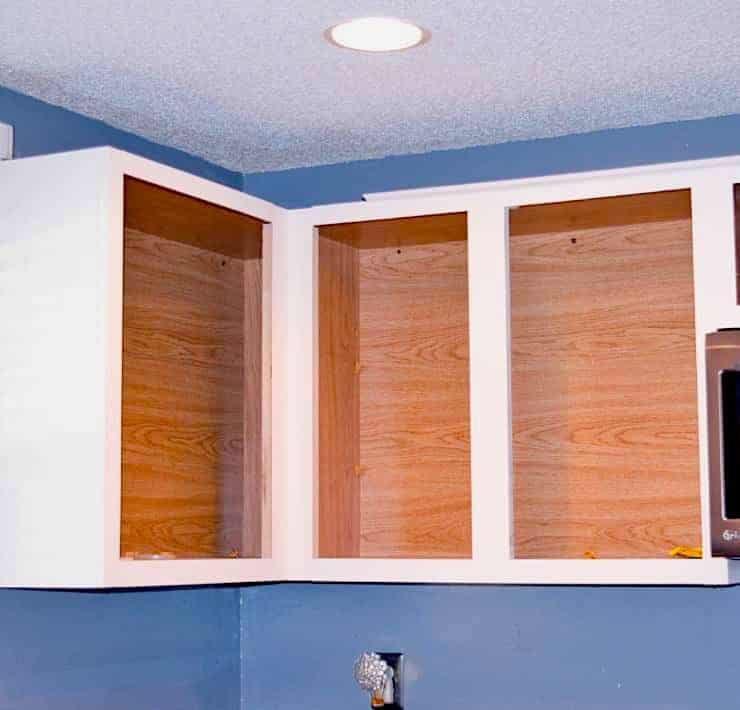
Cabinet boxes, also known simply as “cabinets,” are the structural components of kitchen or bathroom cabinets that provide the framework and storage space. They are typically made of wood or engineered wood materials and serve as the main body or structure of the cabinet.
Cabinet Box and Frame
The cabinet box and frame are the primary structural components of a kitchen or bathroom cabinet. They serve as the framework and housing for the cabinet’s storage and organizational elements. The structural framework of a cabinet forms the front face and sides of the cabinet box, providing support and stability. It consists of vertical stiles and horizontal rails, creating a rigid structure onto which cabinet doors and drawers are typically attached.
Cabinet Doors
These are the front-facing panels or doors that cover the cabinet’s openings. They come in various styles and materials and are an essential part of the cabinet’s aesthetic.
Cabinet Drawers
Many cabinets have drawers, which are sliding compartments that provide additional storage within the cabinet. Drawers can be used for storing utensils, pots and pans, and various kitchen or bathroom items.

Shelves
Inside the cabinet box, you’ll often find shelves, which are horizontal platforms that provide storage space. Shelves can be adjustable or fixed and are used for organizing and storing items within the cabinet.
Cabinet Hardware
Cabinet boxes are equipped with hardware such as hinges and handles that allow for the opening and closing of doors and drawers. These hardware components are essential for the functionality of the cabinets.
Understanding Kitchen Cabinet Refacing vs Cabinet Refinishing
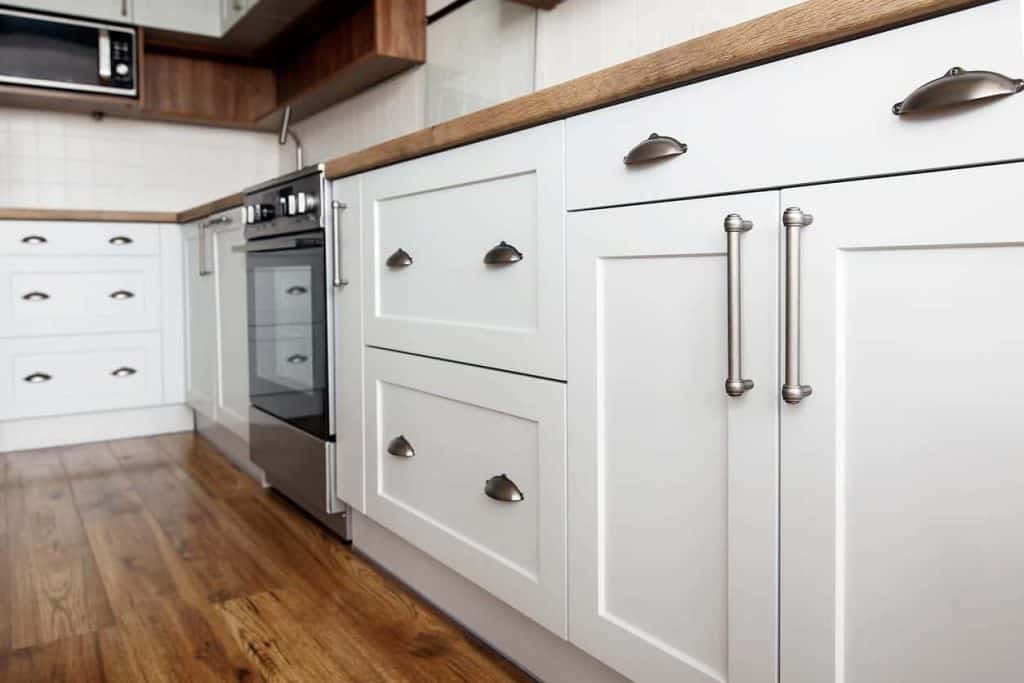
Cabinet refacing is a kitchen renovation technique that involves giving your cabinet boxes a fresh and updated appearance by replacing their existing doors and drawer fronts with new ones.
Unlike a full cabinet replacement, where you’d tear out and discard the old cabinet boxes, framing, and door fronts, kitchen cabinet refacing focuses on keeping the existing cabinet frames and boxes intact. Instead, the process primarily focuses on replacing the cabinet doors, drawer fronts, hardware, and applying new wood or finish to the cabinet exteriors.
Kitchen cabinet refinishing, on the other hand, is a home improvement process that involves refreshing and revitalizing the appearance of your existing kitchen cabinets by applying new finishes (typically painting) to all the existing cabinet surfaces. This means that the existing wood cabinets undergo extensive surface preparation in order to take on a new appearance.
Cabinet Replacement
Removing and replacing the existing cabinets, including the existing cabinet boxes and frames, in a kitchen with brand new ones.
Cabinet Refinishing
Using the existing cabinet box, wood framing, doors, and drawer fronts and treating them through a combination of stripping (chemical removal) and sanding (mechanical removal) to get down to the raw surface of the wood. Then, through staining or painting, providing a newly renovated look to the cabinetry.
Cabinet Refacing
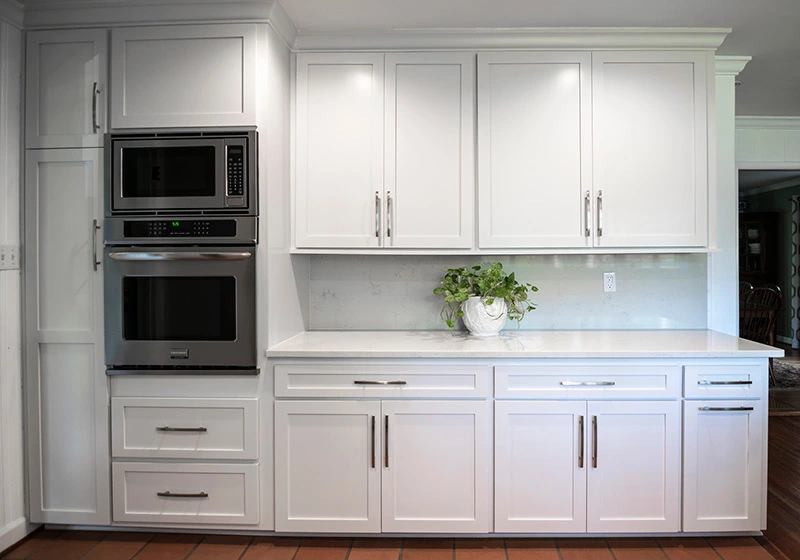
Your existing cabinet box is kept intact, while brand new cabinet doors and brand new drawer fronts are added to enhance the aesthetic appeal of the cabinets. The cabinet boxes are either refinished, or as in comprehensive refacing, new wood is added to the exterior surfaces along with all new trim molding (crown, light rail, and shoe molding). The result of comprehensive cabinet refacing is the look of all new cabinets as everything on the outside is brand new.

The Difference Between Hybrid Cabinet Refacing vs Comprehensive Cabinet Refacing
Many kitchen cabinet refacing companies offer a hybrid approach to refacing kitchen cabinets. This means that while they provide brand new doors and drawer fronts to the cabinets, the existing frame and cabinet box undergoes a refinishing process. This means the existing wood frames remain intact, but are sanded, stained or painted as a way to save costs on new materials.
At Cabinet Cures of the Triangle, we set ourselves apart from our competitors by offering a fully comprehensive approach to cabinet refacing. This means that, along with getting brand new cabinet doors and brand new door fronts, our customers enjoy fully refaced cabinet boxes and trim, using untreated, virgin wood.
Hybrid Cabinet Refacing
A combined approach to cabinet refacing, where brand new, virgin wood is used for the exterior parts of the cabinet such as the doors and drawer fronts with new hardware added, but the existing cabinet box and framing materials are kept intact with its existing wood. This existing wood box needs to undergo surface prep treatments in order to achieve the desired visual appeal of the piece. Therefore, cabinet refinishing techniques are used on the cabinet box and framing materials, while new doors and drawer fronts are replaced through cabinet refacing.

Comprehensive Cabinet Refacing
A fully comprehensive refacing of kitchen cabinets includes brand new solid wood doors and drawer fronts that are professionally finished. The new doors all come standard with new, hidden, soft close hinges. New ¼” wood and molding are installed on the exterior of the cabinet boxes.
These are finished together in the same color as the doors and drawer fronts so that everything matches exactly. The process includes refacing all exterior boxes with the finished ¼” wood, replacing all crown molding, light rail molding, and base (shoe) molding, and installing the new doors, new drawer fronts, and hardware.
Aside from the existing cabinet box layout being maintained, all the wooden materials of the cabinets are given a fresh, new look with virgin wood to achieve the desired look of your new kitchen. Additionally, all the surface preparation and finishing takes place in an environmentally controlled facility, and not in the home.
What Benefits Are There to Cabinet Refacing vs Cabinet Refinishing?
When it comes to giving your kitchen a fresh look, cabinet refacing is the superior choice when compared to cabinet refinishing. While both methods can breathe new life into your kitchen’s cabinets, only cabinet refacing uses brand new materials to achieve your desired results.
Updated Aesthetics
Cabinet refacing allows you to completely transform the look of your kitchen. You can choose from a variety of cabinet door styles, finishes, and hardware options to achieve a fresh and modern appearance.
Preservation of Cabinet Structure
Cabinet refacing retains the structure of your existing cabinet boxes, saving renovation time and costs compared to a full cabinet replacement.

Customization Options
With cabinet refacing, you have the flexibility to customize the cabinet design to suit your preferences. Whether you want a contemporary, traditional, or transitional style, refacing offers a wide range of cabinet door style options for you to choose from.
Ergonomic Improvements
While cabinet refacing primarily focuses on aesthetics, you can make adjustments to improve the functionality of your kitchen as well.
For instance, cabinet refacing allows you to implement a variety of kitchen cabinet restyling options, such as extending cabinets all the way to the ceiling, creating a more modern and spacious look, while also maximizing storage space. Additionally, you can incorporate practical solutions like added shelves and pull-out drawers, enhancing functionality and accessibility in your kitchen.

Soft-Close Options
Cabinet refacing often allows for the installation of soft-close doors and drawers, reducing noise and adding a touch of sophistication to your kitchen.
Incorporation of Modern Trends
With cabinet refacing, you can align your kitchen with the latest kitchen design trends, including extended cabinets to the ceiling, glass cabinet doors, and other contemporary design elements.
Kitchen Island Option
If you desire a kitchen island as part of your renovation, cabinet refacing provides the opportunity to integrate one seamlessly into your kitchen layout, enhancing both aesthetics and functionality.
Increased Home Value
A refreshed and updated kitchen is a major selling point for prospective buyers, and refacing can significantly enhance the overall appeal of your property. By investing in cabinet refacing, you not only create a more attractive and modern kitchen but also add value to your home, which can translate into a higher resale price and a quicker sale when the time comes to put your house on the market.
Kitchen cabinet refacing is a wise investment that not only benefits your current living space but also secures long-term value for your property.
Disadvantages to Refinishing Cabinets and Using a Hybrid Approach to Cabinet Refacing
When contactors keep any of the existing wood structure from the kitchen cabinets, while providing brand new doors and drawer fronts, it’s considered a “hybrid cabinet refacing.” Unfortunately, under the guise of budget friendly “cabinet refacing,” this technique fails to offer a comprehensive approach that leaves homeowners with brand new features throughout the entire cabinet structure.
Combining refinishing techniques of the existing cabinet box with the refacing approach of adding brand new wooden doors and drawer fronts, leaves you with the following disadvantages.
Existing Wood Quality
With refinishing techniques used on the existing woods of the cabinet framing, you are working with wood that may have imperfections, nicks, and previous treatments that can make it challenging to achieve a flawless finish.
Limited Improvement
Refacing combined with refinishing techniques on the cabinet and drawer interiors can only improve the existing wood to a certain extent, typically not achieving a brand-new appearance that can be achieved through comprehensive cabinet refacing.
Surface Preparation
Refacing that involves the use of refinishing techniques like stripping and sanding on the interior box and frames of the cabinets can be a time-consuming and messy process. This requires quarantining the kitchen, creating dust, and introducing chemicals into the home environment.
Unknown History
Refinishing existing doors or cabinet interiors may lead to uncertainties about the wood species, previous treatments, or hidden issues, making it difficult to achieve consistent results that customers desire through a cabinet makeover.
Inconvenience
The refacing process combined with refinishing techniques often requires removing the doors and drawer fronts and taking them to a shop for refacing; however, the existing box and framing being treated through the refinishing process of sanding, staining, stripping, and painting takes place in the kitchen itself. This disrupts the kitchen, causing inconvenience for the homeowner for what can be several days or even up to a week’s time.
Environmental Concerns
Painting and staining done on-site at a customer’s home during the refinishing of cabinet interiors can introduce fumes and environmental concerns into the home. This requires extensive precautions like plastic sheeting and ventilation, often making your kitchen difficult to access throughout the duration of the kitchen cabinet remodeling process.
Pros of Undergoing a Fully Comprehensive Cabinet Refacing Project by Cabinet Cures of the Triangle
Undertaking a fully comprehensive cabinet refacing project with Cabinet Cures of the Triangle offers a range of compelling advantages that can transform your kitchen and elevate your home’s aesthetics. Here’s a closer look at the key pros of choosing Cabinet Cures for your cabinet refacing needs.
Brand New, High-Quality Materials
Cabinet Cures takes pride in using brand new, virgin wood for refacing projects. This ensures that your cabinets receive the finest materials available, resulting in a fresh, durable, and long-lasting finish.
Thorough Surface Preparation
The hallmark of a successful cabinet refacing project is meticulous surface preparation. Cabinet Cures excels in this aspect, with a comprehensive approach that includes sanding, primer coating, and applying multiple coats of stain or paint (a minimum of 3 coats). This attention to detail guarantees a flawless and lasting finish.
Addressing Tannins and Bleed-Through
Dark-grained areas and tannins in wood can pose challenges during refacing. Cabinet Cures employ stain-blocking primers to prevent bleed-through, ensuring that your cabinets maintain a uniform and appealing appearance, from the exterior door and drawer fronts to the interior framing and cabinet box components.
Complete Cabinet Transformation
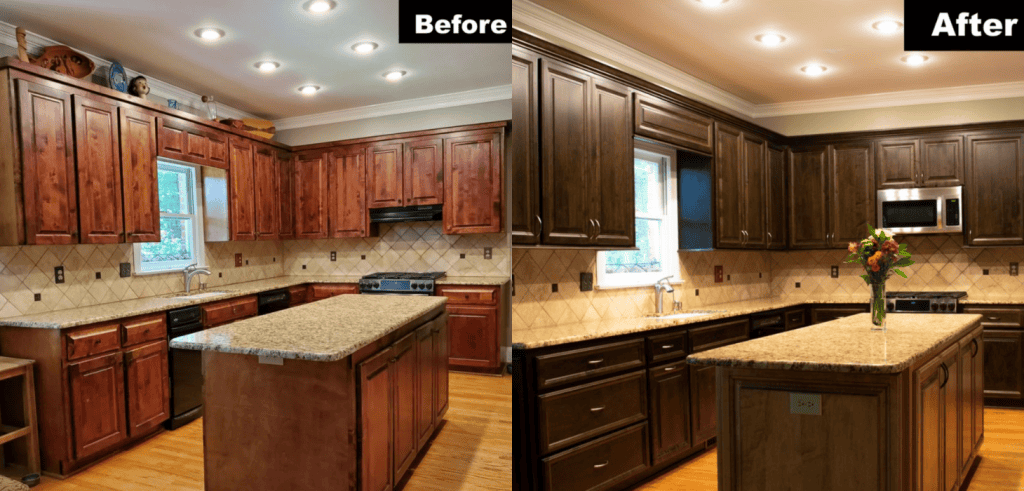
Unlike some competitors who focus solely on door and drawer front replacement, Cabinet Cures goes the extra mile by refacing the entire cabinet box. This comprehensive approach to kitchen cabinet refacing ensures a cohesive and polished look throughout your kitchen.
Quality Finish Grade Maple Wood
Cabinet Cures goes the extra mile by adding a quarter-inch of new finish-grade maple wood to the exterior of the cabinets and replacing all molding, including crown molding, light rail molding, and shoe molding. This level of attention to detail sets us apart from competitors, providing a truly premium kitchen cabinet result.
Hardware Replacement
Cabinet Cures understands that hardware plays a crucial role in cabinet functionality and aesthetics. During cabinet refacing, we replace all hardware, hinges, and decorative knobs/ pulls, and optionally replacing the drawer boxes and slide mechanism. When replaced, all doors and drawers will be soft-close.
Minimal Disruption
Cabinet refacing with Cabinet Cures minimizes disruption to your daily life. The majority of the refacing process is performed off-site at our cabinet refacing facility. This reduces the inconvenience of a messy and prolonged renovation in your kitchen, meaning no plastic tarps, loud noises, and sandy mess infiltrating your kitchen whatsoever during the refacing process.
Environmental Considerations
By conducting the majority of the work at our cabinet refacing facility outside of your home, Cabinet Cures minimizes environmental concerns of introducing harsh chemical treatments into your living environment, which is a drawback of contractors who choose a refinishing approach to their refacing services.
Contact Cabinet Cures of the Triangle for a Free Cabinet Refacing Quote
Ready to transform your kitchen with the beauty and functionality of cabinet refacing? Don’t hesitate to take the next step towards your dream kitchen. Contact Cabinet Cures of the Triangle today and request a free cabinet refacing quote.
Our experienced team of kitchen cabinet refacing professionals is eager to discuss your project, answer any questions you may have, and provide you with a tailored solution that fits your needs and budget. Don’t miss this opportunity to revitalize your kitchen space—reach out to us now, and let’s get started on your comprehensive cabinet refacing project.
Get started today by calling (919) 809-6161 or filling out the contact form below.
[form]