So, you’ve consulted with our professionals, picked out your new cabinet doors and drawer fronts,…
What to Expect During a Cabinet Refacing Project
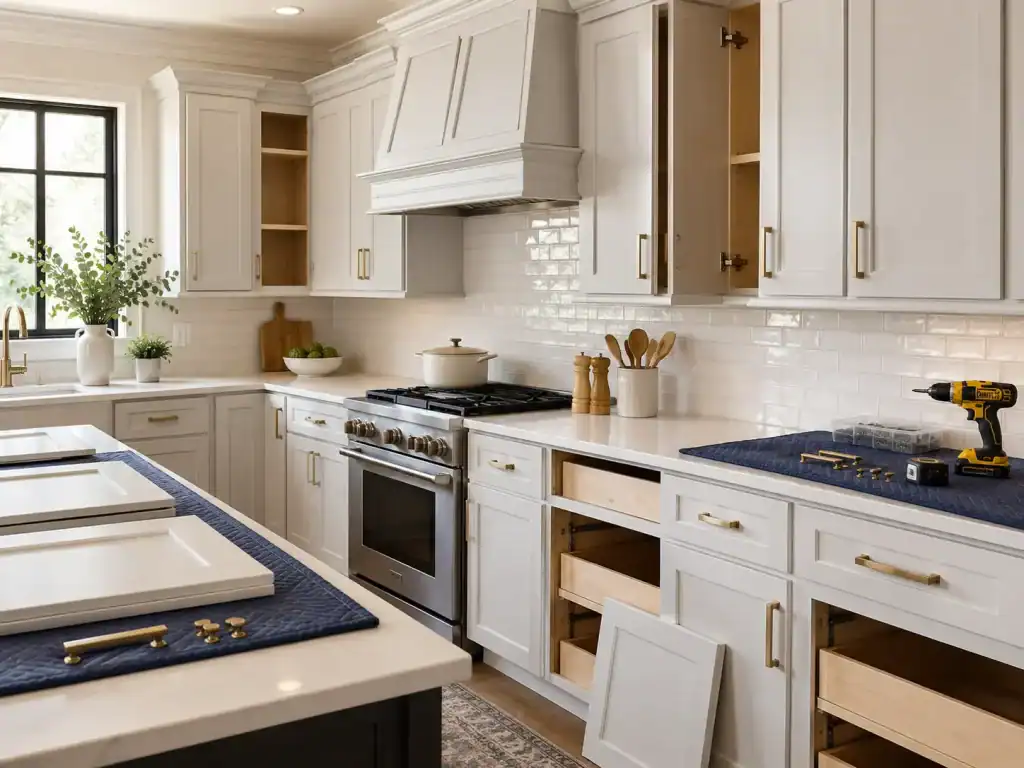
Cabinet refacing is more than changing the color of your cabinets or swapping out the doors. It is a step-by-step process that updates the visible parts of your existing cabinetry while keeping the cabinet boxes in place.
At Cabinet Cures of the Triangle, refacing can also include changes to storage, hardware, layout, and other details that make the kitchen work better for you.
Here is what to expect from the first consultation through installation.
Table of Contents
- Cabinet Refacing vs. Refinishing
- Start With an In-Home Consultation
- Choose Your Cabinet Style, Finish, and Hardware
- Your New Cabinet Components Are Prepared Off-Site
- What Happens During Installation?
- Can You Change the Layout During Cabinet Refacing?
- How Disruptive Is Cabinet Refacing?
- Is Cabinet Refacing Right for Your Kitchen?
Cabinet Refacing vs. Refinishing
Cabinet refacing and cabinet refinishing both update the look of existing cabinets, but they change different parts of the cabinet.
With refinishing, the existing doors, drawer fronts, and cabinet surfaces stay in place and receive a new finish. With refacing, the cabinet boxes remain, but the doors and drawer fronts are replaced and the cabinet exterior is updated to match.
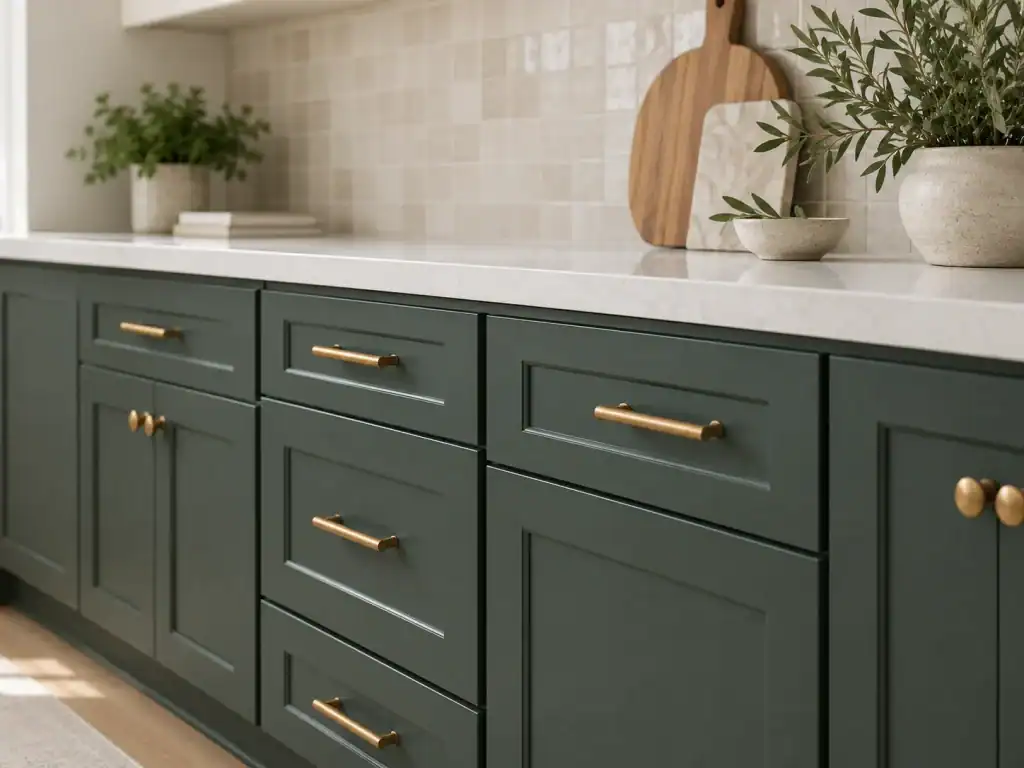
For kitchens where the existing cabinet boxes are still in good condition, cabinet refacing and refinishing offer different options depending on how much you want to change.
If you want a different cabinet door style, new drawer fronts, or a more noticeable overall update, refacing gives you more flexibility than simply changing the existing finish.
Start With an In-Home Consultation
The process begins with a design consultant visiting your home to look at your existing cabinets, layout, and overall kitchen.
This is the time to talk through what you like, what you want to change, and what is not working well in the current space. Some people already have a clear direction. Others need help narrowing down the options.
You can also visit the Raleigh showroom to look at cabinet styles, finishes, colors, and other options in person.
The goal at this stage is to understand what is staying, what is changing, and whether any storage or layout improvements should be included in the project.
Choose Your Cabinet Style, Finish, and Hardware
Once the direction of the project is clear, the next step is choosing the details.
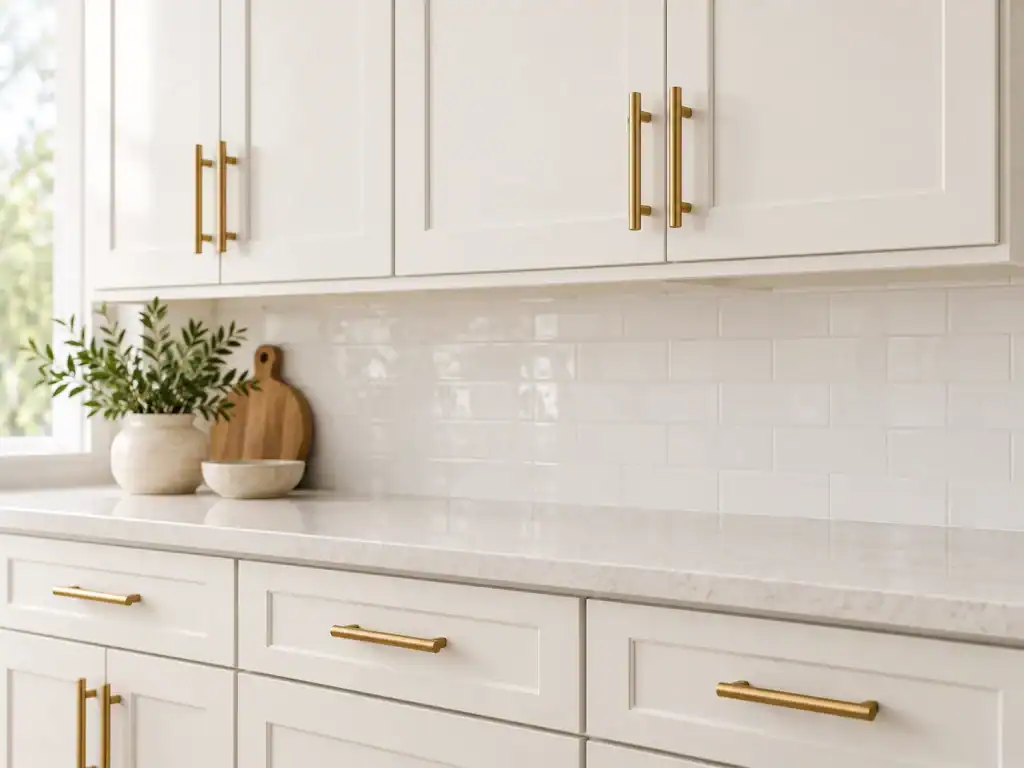
That can include:
- Cabinet door style
- Finish
- Color
- Molding
- Knobs and pulls
- Hinges
- Other hardware
These choices affect both the look of the kitchen and how the cabinets feel to use every day.
The right cabinet door style can change the overall direction of the room, while details like hardware help tie the new finish together.
Many people also choose soft-close hinges for a quieter, smoother experience.
The goal is to make the new doors, drawer fronts, molding, hardware, and finish work together so the kitchen feels consistent once everything is installed.
Your New Cabinet Components Are Prepared Off-Site
After the design selections are finalized, the new cabinet doors, drawer fronts, and other components are prepared before installation begins.
Because much of this work happens outside your home, your kitchen can stay usable while the new pieces are being built and finished.
Cabinet Cures custom-finishes the cabinetry for each project and uses wood facing rather than laminate veneer over the existing cabinet boxes. The original service-page copy also notes the use of materials such as maple wood for the new components.
Preparing the new pieces ahead of time helps reduce how much work has to happen inside the kitchen once installation starts.
What Happens During Installation?
Installation is where the existing cabinets and new components come together.
The team installs the new cabinet doors and drawer fronts, updates the cabinet faces to match, adds the selected hardware and molding, and completes any other planned changes.
If the project includes layout changes or custom additions, those pieces are built to work with the rest of the finished design.
Because the cabinet boxes stay in place, the project does not involve the same amount of tear-out as full cabinet replacement.
The original service-page content says the installation phase typically takes about a week and that the kitchen is cleaned at the end of each day so it is ready to use. The actual timeline can vary depending on the size of the kitchen and the amount of custom work involved.
Can You Change the Layout During Cabinet Refacing?
Refacing does not mean everything in the kitchen has to stay exactly the same.
Depending on the space and project, Cabinet Cures can make additional changes during the refacing process to improve storage, access, or the way the kitchen functions.
Common updates include:

These changes can be planned along with the refacing work so the new pieces and existing cabinetry feel like one finished kitchen.
If you are thinking about more significant changes to the way the space works, different kitchen layout options can help you think through what makes sense before the project begins.
How Disruptive Is Cabinet Refacing?
One of the biggest differences between cabinet refacing and full cabinet replacement is how much work has to happen inside the kitchen.
With refacing, the existing cabinet boxes remain in place and many of the new components are prepared before installation begins. That means less tear-out and less time with the kitchen completely taken apart.
You can still expect active work, tools, and installers during the installation phase, but the project does not require removing all of the existing cabinetry and starting over.
The original Cabinet Cures process also emphasizes keeping the kitchen cleaned up throughout installation so it remains as usable as possible during the project.
Is Cabinet Refacing Right for Your Kitchen?
Cabinet refacing can be a good fit when the existing cabinet boxes and overall layout still work, but the doors, finish, storage, or style no longer do.
It gives you the opportunity to update the parts you see and use every day while also making targeted changes where the kitchen could function better.
Cabinet Cures of the Triangle works with clients throughout Raleigh and the surrounding area to plan cabinet refacing projects around the existing kitchen, design preferences, and any additional updates that need to be made.
If your cabinets are still working for the space but the kitchen itself feels dated or could function better, cabinet refacing may give you the update you are looking for without starting from scratch.